
Optimizing IVF treatment
to maximize the likelihood of conception
Optimizing IVF treatment
to maximize the likelihood of conception


Optimizing IVF treatment
to maximize the likelihood of conception
Be part of the world’s largest online congress in reproductive medicine – free to attend!
The 14th IVF‑Worldwide Online Congress will take place on October 9, 2026, covering the latest advances in IVF treatment to maximize the likelihood of conception. Reserve your place today and connect with leading experts from around the globe.

Thank you to Abbott,
our Gold Sponsor
Abbott is a global healthcare leader that helps people live more fully at all stages of life, with leading businesses and products in diagnostics, medical devices, nutritional and branded generic medicines.

Faculty
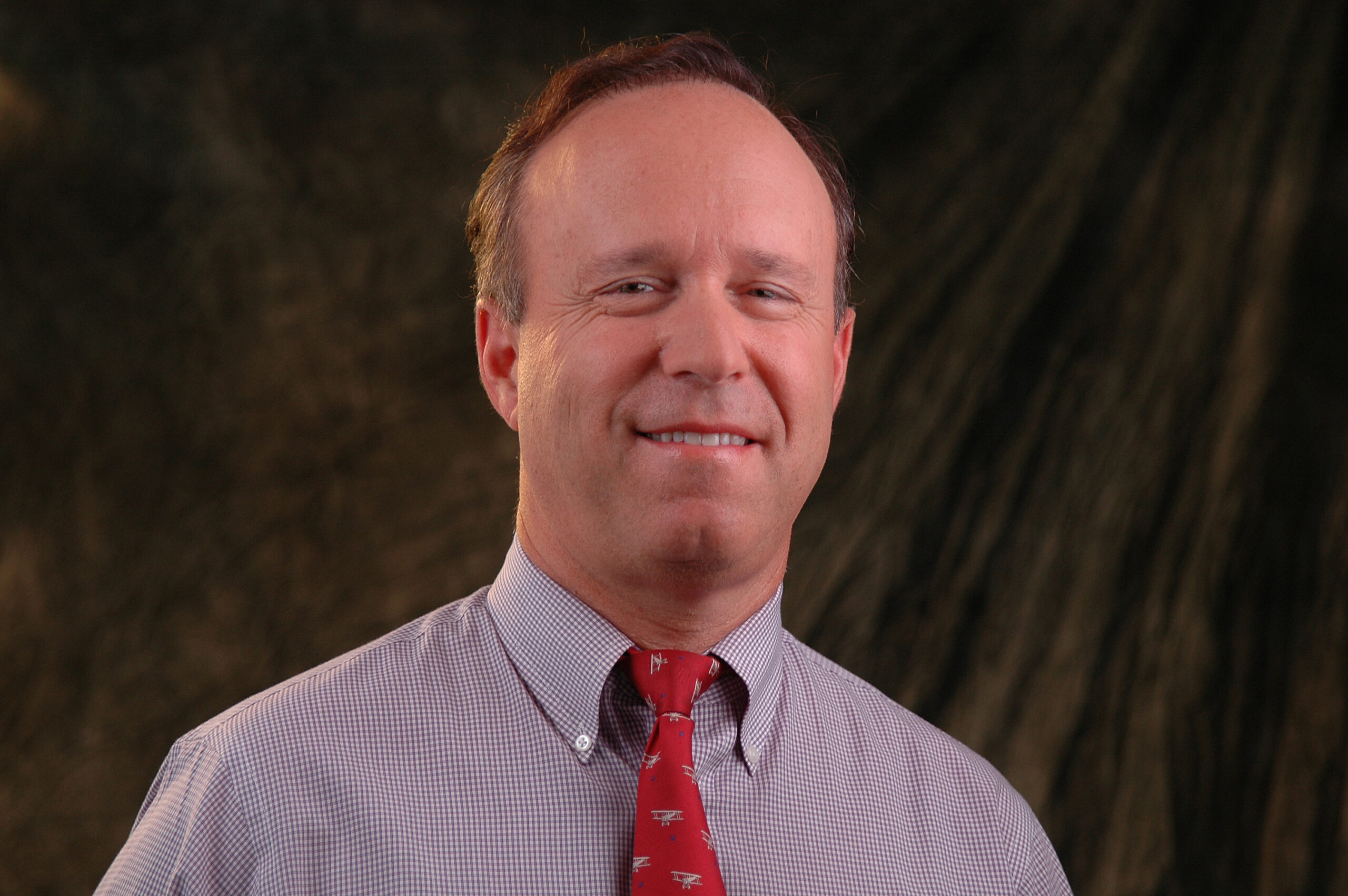
Michael Alper
USA
Dr. Michael Alper grew up in Canada and received his undergraduate and medical school degrees from McGill University in Montreal. He completed his OBGYN and Reproductive Endocrinology training at Harvard Medical School and co-founded Boston IVF in 1986 where he functions as Medical Director. Dr. Alper serves as faculty at Harvard Medical School and his focus has been quality standards in IVF and methods to improve the efficiency and acceptance of fertility treatments.
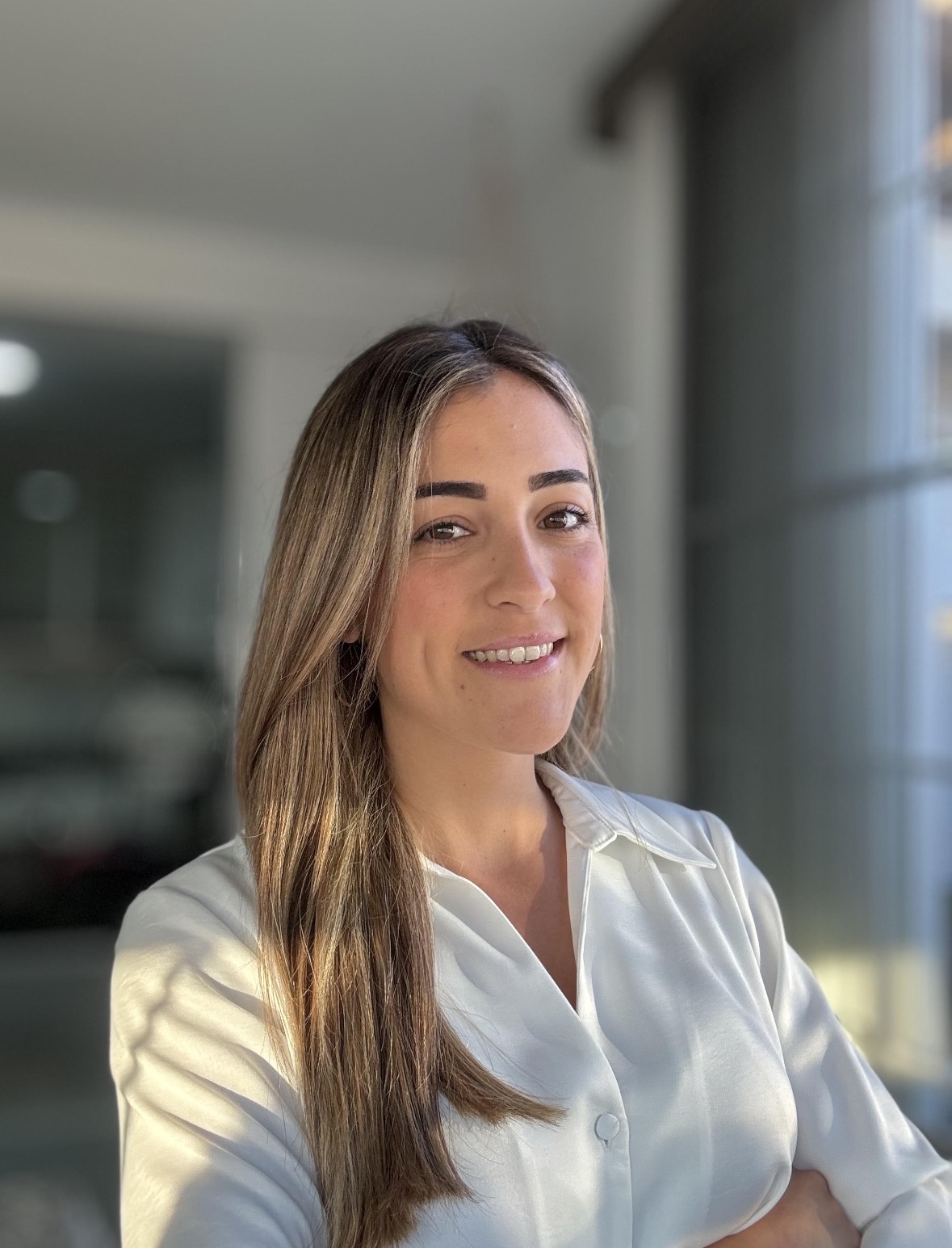
Lorena Bori
Spain
Lorena Bori is a postdoctoral researcher at the Health Research Institute La Fe and IVIRMA Global Research Alliance in Valencia, Spain. She holds a PhD in Medicine from the University of Valencia and specializes in non-invasive embryo assessment, time-lapse technology, and artificial intelligence applied to assisted reproduction.
Her research focuses on the development and clinical validation of AI-based tools for embryo assessment and selection, as well as their application to IVF laboratory monitoring and quality control. She has authored numerous scientific publications in reproductive medicine and has been an invited speaker at national and international meetings.
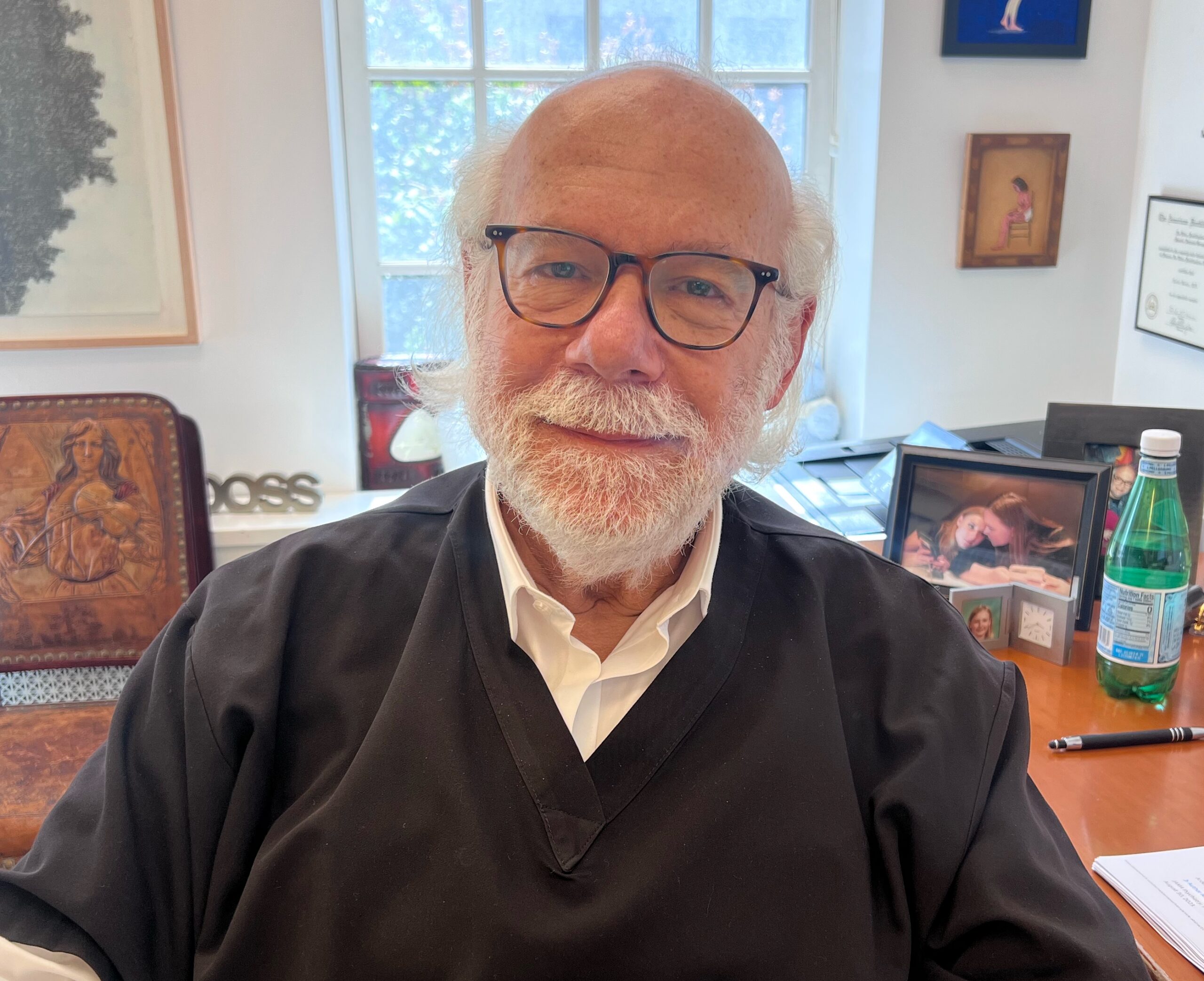
Norbert Gleicher
USA
Dr. Norbert Gleicher founded the Center for Human Reproduction (CHR) in New York, NY in 1981. He has been the Chief Scientist and Medical Director of the CHR since 1999 and is President of the not-for-profit Foundation for Reproductive Medicine. He also holds an appointment as a Guest Investigator at Rockefeller University and Professor (Adj.) at Medical University Vienna. Dr. Gleicher has published over 500 peer-reviewed scientific papers, hundreds of abstracts and book chapters in reproductive endocrinology and infertility, relating to medical complications in pregnancy and to the immune system in reproduction. He served as founding Editor-in-Chief for the American Journal of Reproductive Immunology (AJRI), and for 30 years as the founding editor of the Journal of In Vitro Fertilization and Embryo Transfer, in 1992 renamed the Journal of Assisted Reproduction and Genetics (JARG).
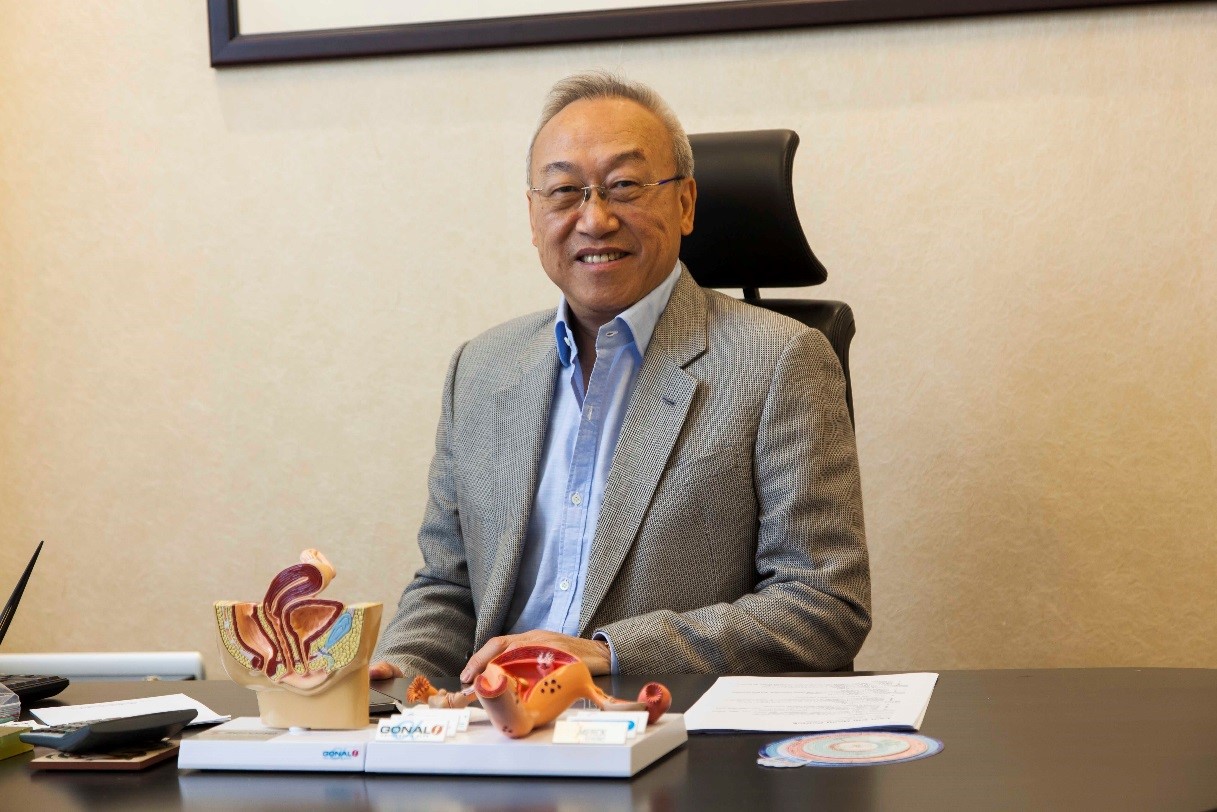
Milton Leong
Hong Kong
Prof. Milton Ka Hong Leong was brought up in Hong Kong, finished his basic school years, and then went to attend McGill University in Montreal Canada. He did Honours Biochemistry as an undergraduate, and then Medical School. Further postgraduate training in Obstetrics and Gynecology followed, and he obtained his specialists degree in 1974. He then went to London on a McLaughlin Fellowship granted by the Canadian Royal College where he studied under Professors Richard Beard and Stuart Campbell. Returning to Montreal, he joined the McGill University Department as academic staff, and was active in teaching and also headed the High Risk Obstetric Unit. In 1979 Prof. Leong returned to Hong Kong and engaged in private practice. Seeing a need at that time, he started to concentrate in the study and treatment of Infertility. He set up the IVF Centre at the Hong Kong Sanatorium and Hospital, a private hospital, in joint venture form, and with his partner Dr Clement Leung, they built it up to be one of the most successful IVF clinics in Asia and the world. He “made” and delivered the first IVF baby in Hong Kong in 1985,and in the last 20 years had researched, published, and taught the art and science of infertility and the assisted reproductive techniques. Prof. Leong is a member of the various reproductive medicine societies, and various international committees. He lecture widely, and still plays an active academic role, and remains to be an Adjunct Professor of Obstetrics and Gynecology in McGill University. His current interest is how to provide the optimal treatment for infertile patients using a patient orientated, more holistic approach.
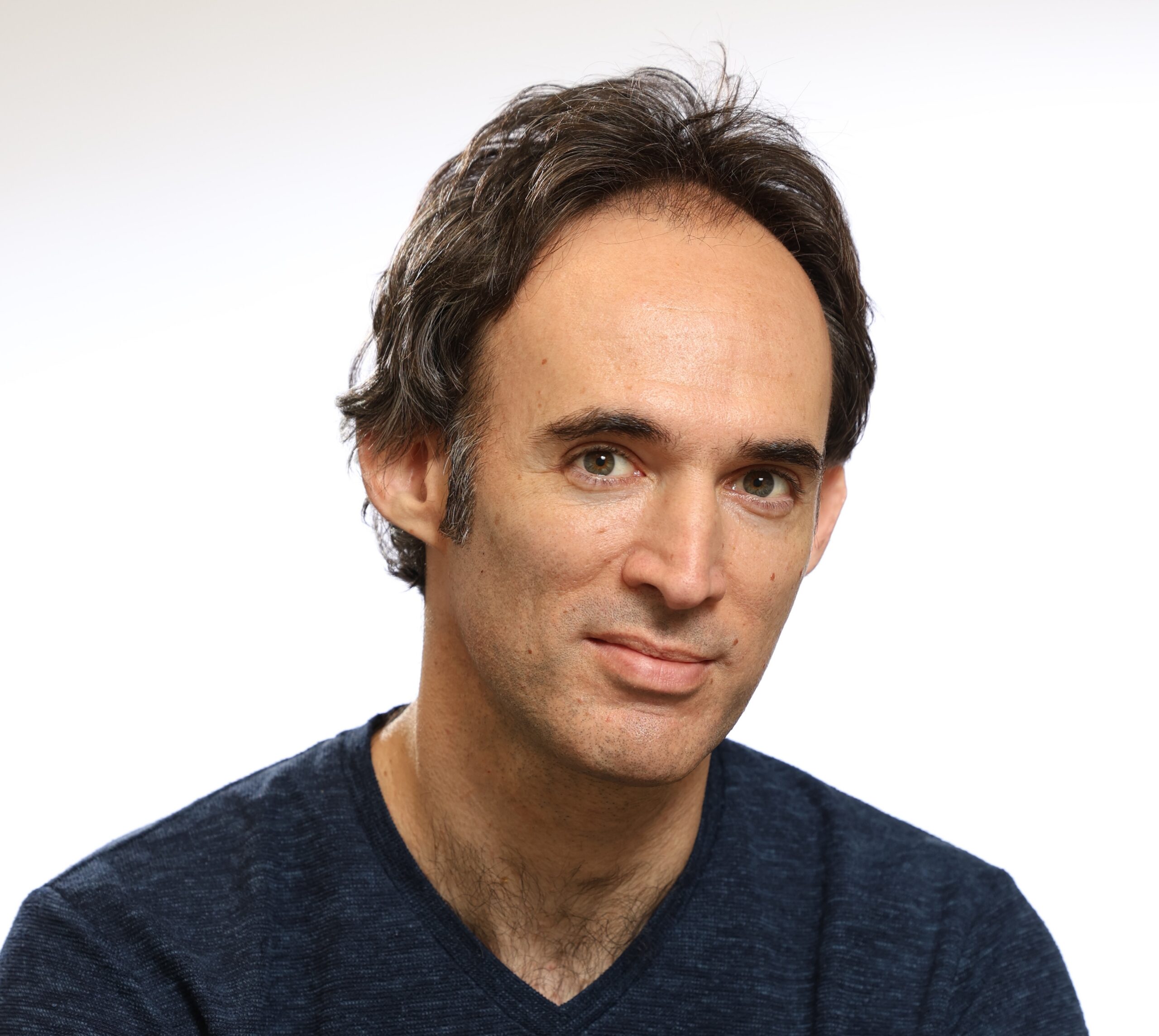
Oded Rechavi
Israel
Dr. Rechavi is a full professor in the Faculty of Life Sciences and the Sagol School of Neuroscience at Tel Aviv University. He is also the co-founder of Q.E.D, a start-up aiming to revolutionize the scientific process. His mission is “to challenge fundamental long-held dogmas.” Using C. elegans nematodes, simple yet powerful model organisms, he provided the first direct evidence that an acquired trait can be inherited via heritable small RNAs, and worked to elucidate the mechanisms and rules of RNA–mediated transgenerational epigenetic inheritance. He discovered that nematodes’ brains can control the behavior of the progeny, and identified a simple neuronal circuit–level mechanism that explains economic irrationality. Aside from his work on epigenetics, Dr. Rechavi utilized genome sequencing of ancient DNA to “piece together” fragments of the Dead Sea Scrolls, demonstrated that Toxoplasma parasites can be genetically engineered to deliver drugs to the nervous system, and found a mechanism that dramatically delays forgetting. He is a European Research Council (ERC) Fellow and has been awarded many prestigious prizes, including the Polymath Award (awarded by Eric and Wendy Schmidt’s foundation, Schmidt Science), the Blavatnik Award for Young Scientists (awarded by the New York Academy of Science and the Israel Academy of Science), the Kadar Family Award for Outstanding Research, the Krill Prize of the Wolf Foundation for Excellence in Scientific Research, the Alon Fellowship, the F.I.R.S.T (Bikura) Fellowship, and the Gruss Lipper Postdoctoral Fellowship. He won multiple teaching awards, is a member of the Israel Young Academy and the European Molecular Biology Organization (EMBO), and was selected as one of the “10 Most Creative People in Israel Under 40” and one of the “40 Most Promising People in Israel Under 40.” Dr. Rechavi is also world known for his science communication activity, has ± 200,000 followers on social media, is the organizer and founder of the sensational “Woodstock of Biology” conference series, and has delivered numerous popular talks, including TED, Huberman Lab podcast, and others.
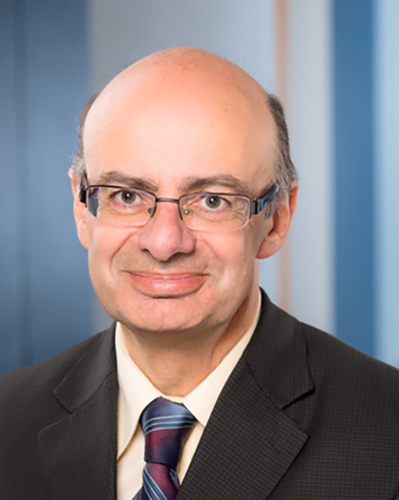
Denny Sakkas
USA
Dr. Denny Sakkas received his undergraduate training at the University of Melbourne, Australia and received his Doctorate of Philosophy at Monash University, Melbourne, Australia. He has been the Laboratory Director of IVF units in Europe and the USA and has extensive experience in clinical IVF and reproductive research. Dr Sakkas is currently Chief Scientific Officer at Boston IVF and remains as an Associate Professor at the Department of Obstetrics, Gynecology and Reproductive Sciences at the Yale University School of Medicine.
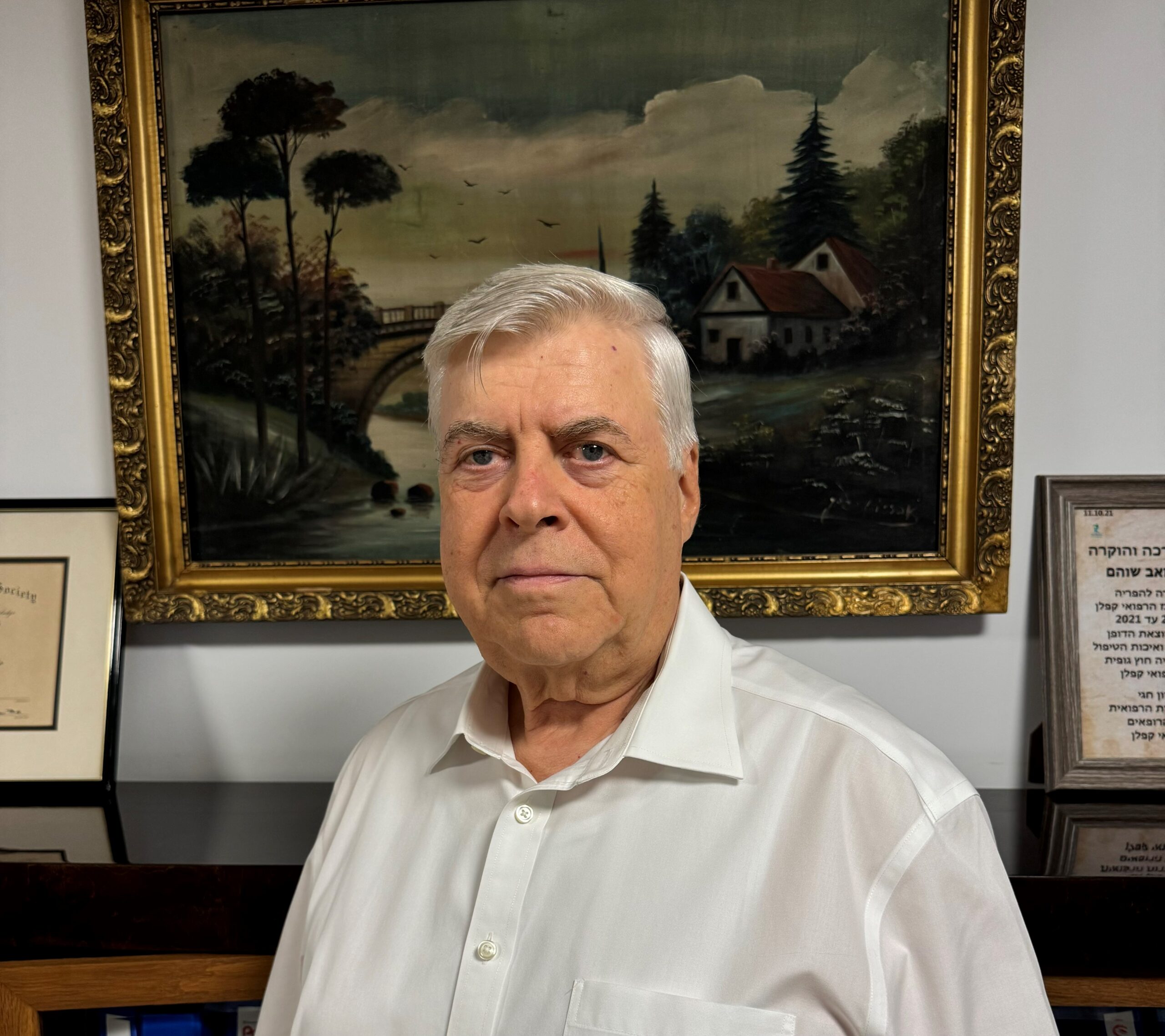
Zeev Shoham
Israel
Professor Shoham was born and raised in Jerusalem, Israel. He received his M.D. degree from the Hadassah Medical Center in 1981. Later completing, his residency at Kaplan Hospital in Rehovot, and his fellowship in infertility and in vitro fertilization at Tel – Hashomer Hospital and MIDDLESEX Hospital in London, UK. Since 1988 he has specialized in a wide range of treatments including:
Fertility treatments, in vitro fertilization, oocyte retrieval preservation and freezing, donor eggs and sperm, care for women during pregnancy and follow-up and treatment of postmenopausal women.
In 1991 Prof. Shoham received an award from the European Society of Human Reproduction and Embryology for the best scientific research that year in Europe for his work on stimulating sperm production by adding GH to treatment with gonadotropins in patients with hypogonadotropic hypogonadism.
Professor Shoham has published over 140 papers in the field of Reproductive Medicine, and his publications had won international awards. In addition, he has contributed chapters to numerous books. He is the editor/ author of the textbook, Female Infertility Therapy: Current Practice (1999), and one of the four editors of the textbook, Assisted Reproductive Techniques, which is at its sixth edition.Professor Shoham is the co-founder of IVF-Worldwide the most comprehensive website on in-vitro fertilization. Professor Shoham has been organizing internationals medical conferences for the past 18 years and is a lecturer in many conferences in the field.
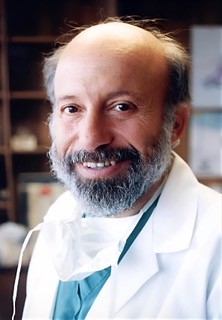
Sherman Silber
USA
Dr. Sherman Silber, a renowned pioneer in microsurgery and infertility, is considered one of the world’s leading authorities on IVF, mini-IVF, sperm retrieval, ICSI, vasectomy reversal, male infertility, tubal ligation reversal, egg and embryo freezing, ovary transplantation and the reproductive biological clock.
For over 50 years Dr. Silber has originally developed all of the most popular fertility treatments used all around the world today.
He performed the world’s first microsurgical vasectomy reversal, as well as the first testicle transplant, in the 70’s and now in the current century, the world’s first ovary transplant. He was the first to develop the TESE and MESA techniques for retrieving testicular and epididymal sperm in azoospermic men. He headed the clinical MIT team that first mapped and sequenced the Y chromosome in infertile men and discovered the now famous DAZ gene for male fertility. His research includes also the study of reproduction and fertility in zoo animals and endangered species. Most recently he has perfected the preservation of fertility for cancer patients with ovarian freezing and transplantation and thereby figured out how to extend the reproductive biological clock of women. He has helped pioneer minimal ovarian stimulation to reduce IVF costs and eliminate complications while maintaining the very highest success rate, even in older women. He has even recently answered the age-old question of why the dinosaurs went extinct by extending his research on male infertility and the Y chromosome, discovering that the change in earth temperature 65,000,000 years ago led to the birth of a skewed male/female sex ratio.
He now heads the clinical team on the CHOSE project to transform skin biopsy cells into eggs and sperm in humans.
Dr. Silber went to medical school at the University of Michigan, did post-graduate training at Stanford University, and then again at the University of Michigan. From 1967 to 1969, he provided medical care via the U. S. Public Health Service to Eskimos, Indians, and Aleuts. Then he taught at the University of Melbourne Medical School in Australia, and later at the University of California Medical School in San Francisco. He is a scientific collaborator at MIT in Cambridge, Massachusetts, at the Kato Clinic in Tokyo, and at the University of Kyushu in Japan, and is a full professor at the University of Amsterdam, and at Sun Yat Sen University Medical School in China. His major clinical medical practice is in St. Louis, Missouri.
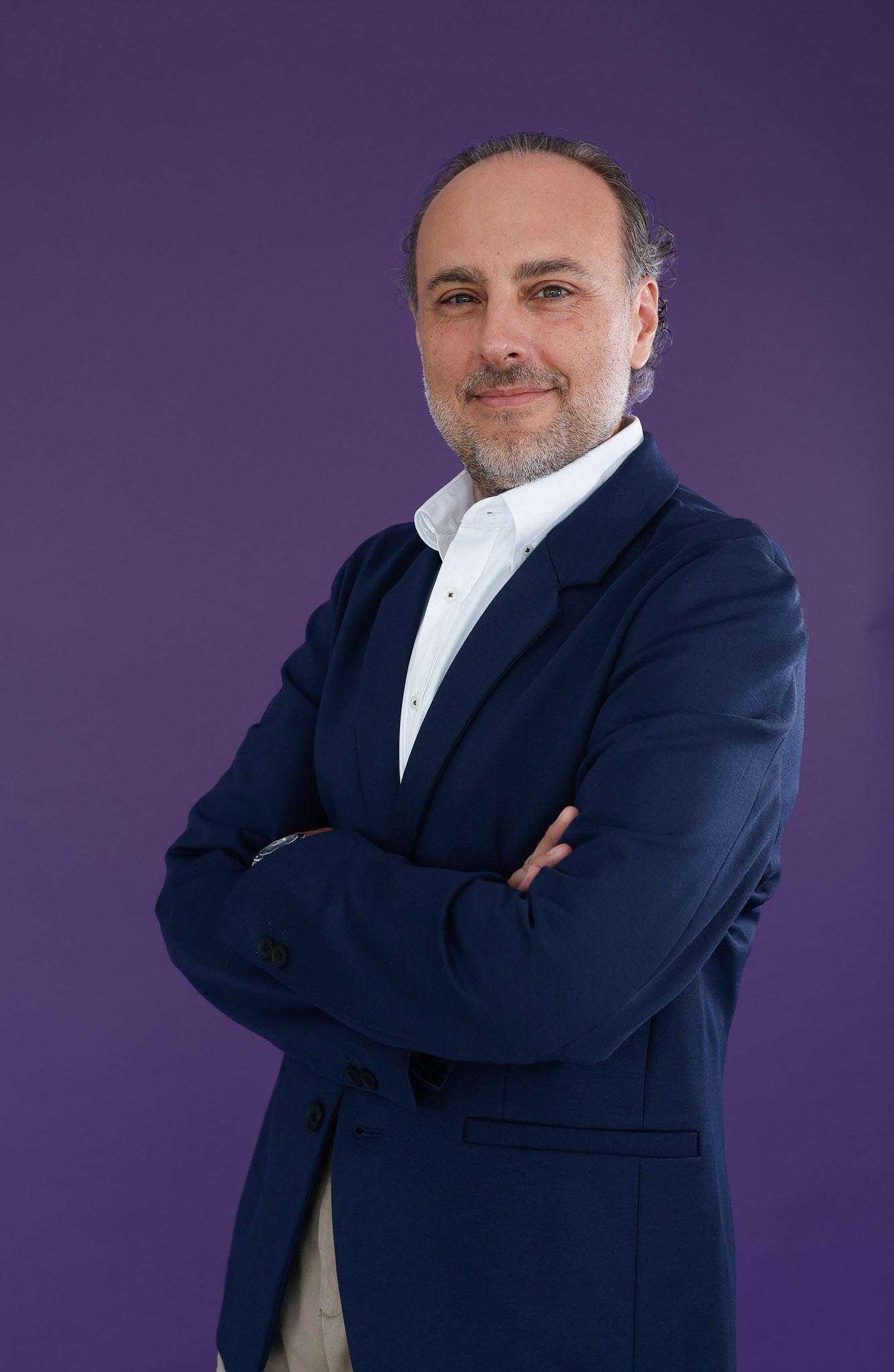
Felipe Vilella
Spain
Felipe Vilella Mitjana, PhD
Felipe Vilella, a molecular biologist, is the principal investigator of the Maternal–Fetal Communication group at INCLIVA/Carlos Simón Foundation. He completed his first postdoctoral fellowship at the MRC Clinical Science Centre in London (United Kingdom), supported by the Marie Curie program and a grant from the Ministry of Education and Science (FECYT). During this time, he studied DNA repair mechanisms and cell cycle progression in eukaryotic cells. He then transferred his knowledge of cell biology to the field of embryonic stem cells and their application in regenerative medicine during his second postdoctoral stay at the Prince Felipe Research Center in Valencia (Spain). He was also a visiting researcher for five years at Stanford University (USA) and for two years at Harvard University (USA).
Felipe’s main scientific interests focus on understanding the mechanisms of communication between the mother and the embryo and elucidating how the mother genetically modifies the preimplantation embryo. His research was the first to demonstrate the transmission of genetic information from the mother to the preimplantation embryo, showing that the mother can modify the embryo transcriptomically and/or epigenetically independently of genetic background (PMID: 26395145). He also studied the effect of microRNAs secreted by endometrial cells on the embryo (PMID: 31665361, 29390102) and used endometrial biopsies to enable the discovery of a transcriptomic signature of human endometrial receptivity. Felipe’s current research focuses on in-depth characterization of the endometrium using single-cell analyses (as part of the Human Cell Atlas) to 1) provide an unprecedented view of the transcriptomic, genomic, and spatial changes occurring in this female organ across the menstrual cycle and throughout life and 2) better understand embryo implantation and how they communicate with each other (PMID: 32929266).
Felipe has published 50 articles in scientific journals with a cumulative impact factor of 376.132. His articles have been cited 5329 times with an average of 111.020 citations per article. He has an H-index of 31, has published 13 book chapters, has supervised 7 doctoral theses, 5 master’s theses, 6 undergraduate final projects, and has supervised 21 student research stays. He has participated in more than 19 international projects, serving as independent principal investigator in 14 of them. He has also participated as an invited speaker in more than 100 international conferences.
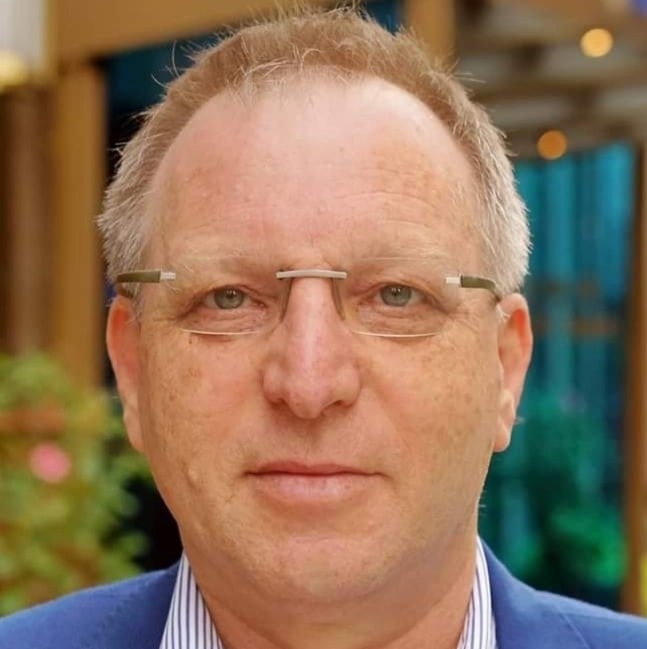
Yuval Yaron
Israel
Prof. Yaron is a graduate of the Tel Aviv University Faculty of Medicine. He trained in Obstetrics and Gynecology at the Tel Aviv Medical Center and was certified in 1995. He did a clinical fellowship in Reproductive Genetics at Wayne State University in Detroit, Michigan, and received certification from the American Board of Medical Genetics in 1998. He is also board certified in Clinical Genetics by the Israeli Board. For over 25 years he has served as the Director of the Prenatal Genetic Diagnosis Unit at the Tel Aviv Medical Center. Prof. Yaron is a Full Professor of Obstetrics and Gynecology at the Tel Aviv University Faculty of Medicine. He is the former Chairman of the Israeli Society of Medical Genetics. He is the Founder and Chairman of Controversies in Genetics (COGEN) World Congress. He is a past board member of the International Society for Prenatal Diagnosis (ISPD) and is currently an Editorial Board member of Prenatal Diagnosis. In his current position he now heads the Bioinformatics Team at the Genome Center at the Tel Aviv Medical Center, focusing on the use of Exome and Genome Sequencing in prenatal diagnosis with particular interest in fetal brain anomalies. Prof Dr Yaron has authored more than 200 publications in peer-reviewed Journals and dozens of chapters in textbooks.
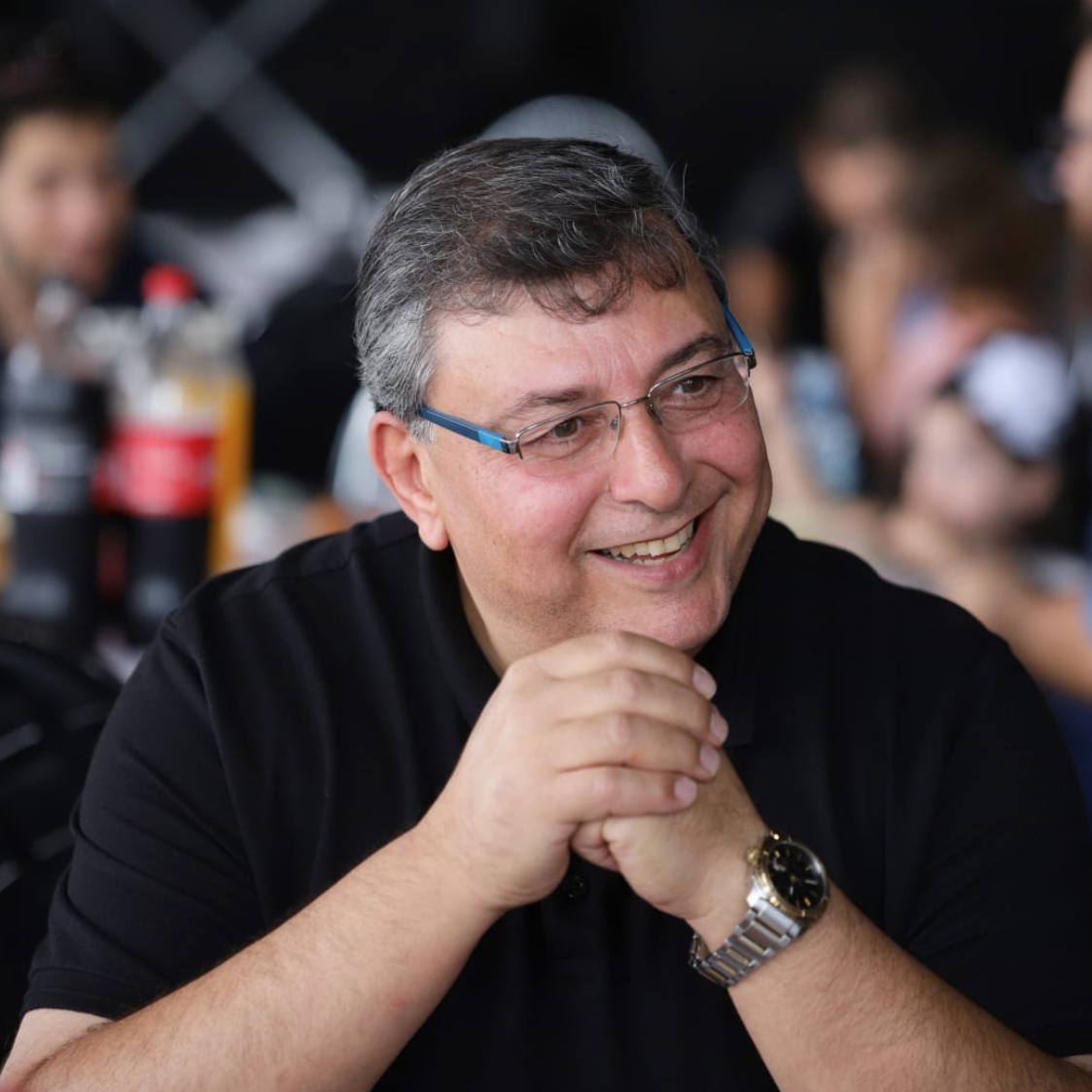
Johnny Younis
Israel
Johnny S. Younis, MD, is the director of Reproductive Medicine at the Tzafon, Padeh Medical Center – Poriya. He is a full professor at the Azrieli Faculty of Medicine in Galilee, affiliated with Bar-Ilan University. He is the past Chair of the Obstetrics and Gynecology Circle and the past Chair of the Admission Committee at the Faculty of Medicine. He is the past Chair of the Obstetrics and Gynecology Examination Board, the Scientific Council, and the Israeli Medical Association. Until July 2023, he has been the past Vice-Dean for Clinical Education at the Azrieli Faculty of Medicine in Galilee. His present interests are low ovarian reserve, ovarian reserve biomarkers, endometriosis, and controlled ovarian stimulation.
The 14th IVF-Worldwide Online Congress is supported by:
Gold Sponsors

Stay informed with IVF-Worldwide updates
Stay ahead in the field and never miss an important update!
